


Raymond roller mill
2026/03/10 14:13:03
Introduction:
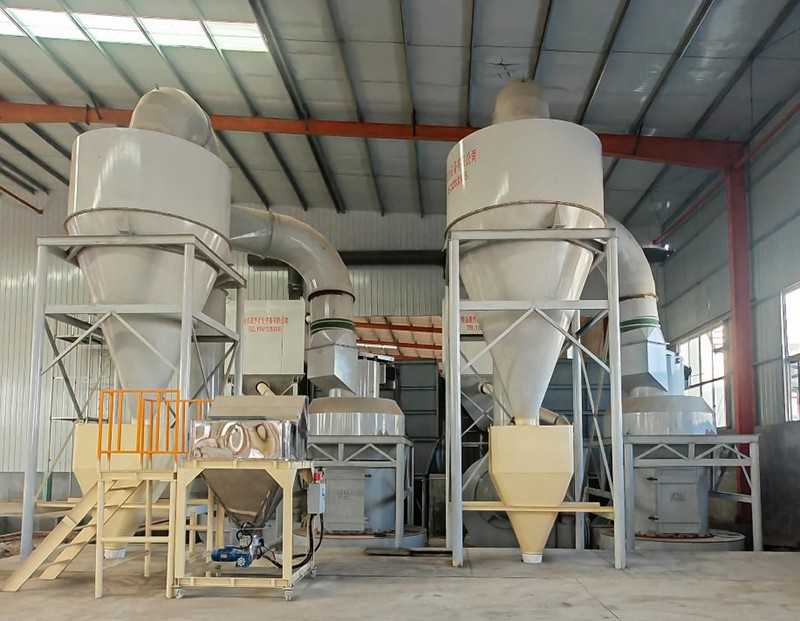
Raymond mill, also known as Raymond grinding mill, high-efficiency Raymond mill, or high-pressure rotary roller mill, is a grinding mill suitable for the fine powder processing of various mineral and coal powders, such as raw minerals, gypsum ore, and coal.
Applications:
This machine is mainly used for the fine powder processing of hundreds of materials, including barite, calcite, potassium feldspar, limestone, talc, white stone, and gypsum, with a Mohs hardness not exceeding 7 and a moisture content below 6%. It is suitable for processing non-flammable and non-explosive mineral products, chemical products, and building materials. The particle size can be adjusted arbitrarily within the range of 40-400 mesh.
This series of products is divided into three main series and more than ten models to meet different material, fineness, and output requirements: high-pressure micro-powder mill, high-pressure suspension roller mill, and ordinary Raymond mill. Raymond Mill Basics
Hardness and Mohs Hardness
Hardness: Because it is a destructive test, it can only be used on unground raw stones or inexpensive ores. There are two types of hardness scales: absolute hardness and Mohs hardness (a relative hardness).
Mohs Hardness: It uses ten common minerals as standards, distinguishing their hardness by scratching them against each other. Mineralogy and gemology conventionally use the Mohs hardness scale.
The Mohs hardness scale has ten levels: Talc, Gypsum, Calcite, Fluorite, Apatite, Orthoclase, Quartz, Topaz, Corundum, and Diamond.
Mesh size is a general term for the aperture size of a sieve. The conversion formula is:
cm = 16 / mesh number
Mesh size is measured in Imperial and US units. Imperial units refer to the number of apertures per square inch. A comparison of new ultrafine Raymond mills and traditional Raymond mills: The Raymond mill, also known as a Raymond grinder, is a widely used grinding equipment. It is widely used in mines, cement plants, and chemical plants, and is one of the important pieces of equipment for the deep processing of non-metallic minerals.
Due to its stable performance, strong adaptability, and high cost-effectiveness, the Raymond mill has been widely used in the processing of non-metallic minerals since its introduction to China more than 20 years ago. However, with the widespread development of non-metallic minerals in the field of ultrafine powder applications in recent years, downstream enterprises have increasingly higher requirements for non-metallic mineral products, especially for product fineness. This makes traditional Raymond mills inadequate. These problems with traditional Raymond mills have been troubling mineral processing enterprises and equipment manufacturers. These problems mainly manifest in the following ways:
1. Low product fineness: The fineness of ordinary Raymond mills is generally below 500 mesh, limiting these machines to the lower end of the powder application market.
2. High mechanical failure rate, high power consumption, high noise, and significant pollution emissions.
3. Low system efficiency: The product collection system's separation effect is unsatisfactory, resulting in a large amount of fine powder not being effectively collected and repeatedly circulating within the system, leading to wasted power.
4. Inadequate design of the main unit's air box and duct: Larger particles and un-grinded particles in the material entering the grinding zone are often thrown into the air box and accumulate at the tail of the volute, continuously extending forward, gradually reducing the airflow, easily causing blockages, resulting in insufficient or no powder output, and affecting production.
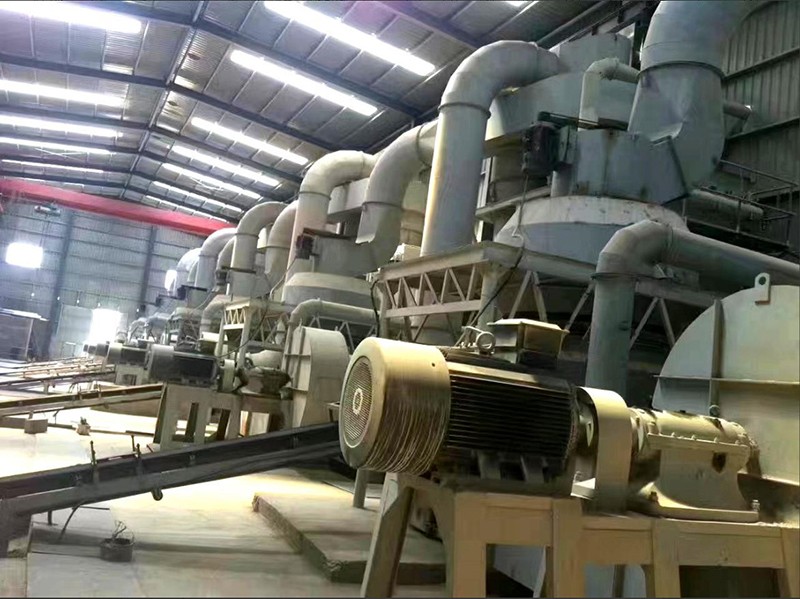
The Raymond Roller Mill: An Engineering Marvel in Powder Processing
1. Introduction: The Workhorse of Industrial MillingIn the realm of industrial grinding, the Raymond Roller Mill stands as a testament to enduring and effective engineering. For over a century, this type of mill has been the industry standard for processing non-metallic minerals and various bulk materials. Far from being a static piece of obsolete machinery, the modern Raymond Roller Mill is the result of continuous refinement, integrating advanced metallurgy, aerodynamic principles, and automated control systems. It is not merely a grinder; it is a self-contained processing system capable of transforming large lumps of raw material into fine, uniform powder in a single, continuous operation.
In the realm of industrial grinding, the Raymond Roller Mill stands as a testament to enduring and effective engineering. For over a century, this type of mill has been the industry standard for processing non-metallic minerals and various bulk materials. Far from being a static piece of obsolete machinery, the modern Raymond Roller Mill is the result of continuous refinement, integrating advanced metallurgy, aerodynamic principles, and automated control systems. It is not merely a grinder; it is a self-contained processing system capable of transforming large lumps of raw material into fine, uniform powder in a single, continuous operation.
This document explores the nuanced advantages and diverse applications of this equipment, focusing on its engineering strengths and operational benefits without reliance on branded comparisons.
2. Core Advantages: Beyond Simple Grinding
The Raymond Roller Mill’s enduring popularity stems from a unique combination of design philosophy and mechanical robustness. Its advantages can be categorized into six key areas:
2.1. Integrated System Design and Spatial Efficiency
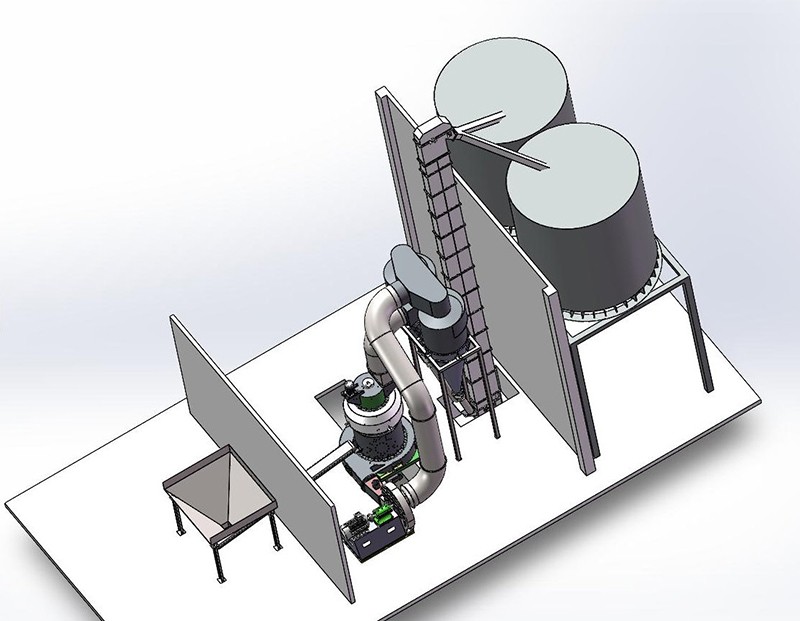
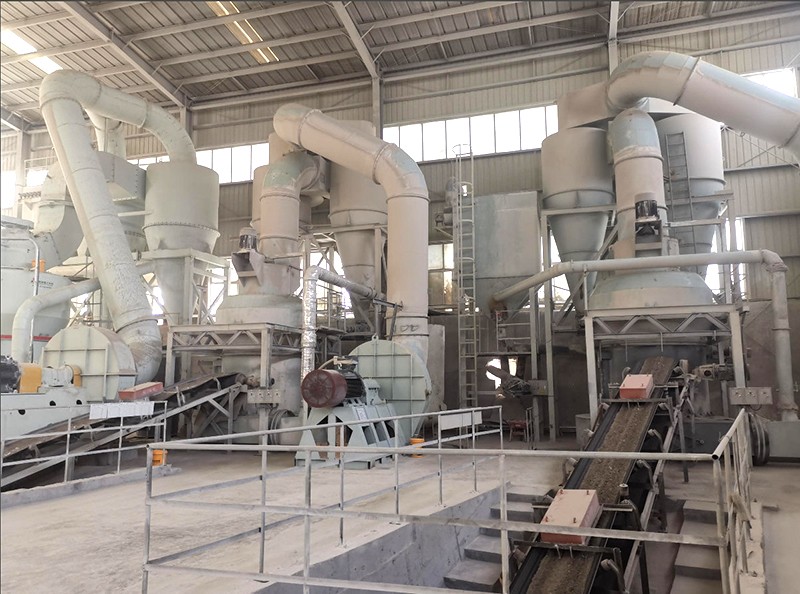
Unlike alternative grinding solutions that require extensive auxiliary equipment and complex layouts, the Raymond mill boasts a highly integrated, three-dimensional structure. The entire system—from primary crushing to final product packaging—can be arranged in a continuous line. The vertical arrangement of the main grinding unit significantly reduces the equipment's footprint. This "standing structure" allows for flexible plant layout and can reduce building costs, as the system's compact nature often permits outdoor installation, sheltered only by basic cover. This integration transforms a collection of individual machines into a streamlined, independent production system.
2.2. Superior Grinding Mechanics and Particle Uniformity
The grinding principle is based on centrifugal force rather than simple gravity. As the main shaft rotates, the roller swings outward and presses firmly against the stationary grinding ring. This centrifugal force ensures a consistent and adjustable grinding pressure, allowing for the effective processing of materials with varying hardness.
The dynamic interaction between the multiple rollers and the ring results in a highly uniform particle size distribution. The integral classifier (or analyzer) works in closed-circuit with the grinding chamber. It ensures that only particles meeting the exact fineness specification pass through, while oversize material is returned for further grinding. This closed-loop system guarantees a final product with exceptional fineness uniformity, often achieving a screen pass rate of 98% or higher—a level of consistency that is difficult to achieve with other mill types.
2.3. Enhanced Durability and Wear Life
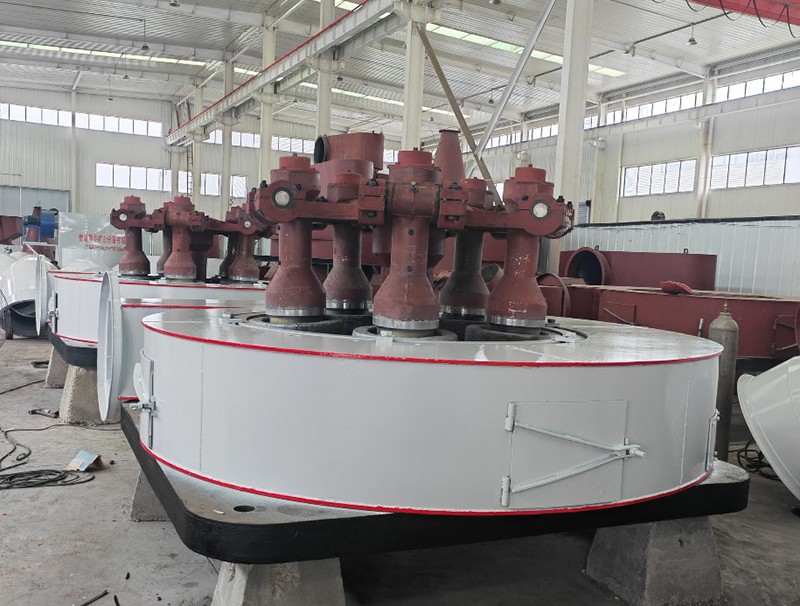
Modern Raymond mills are constructed with a focus on longevity. Critical components such as the grinding rollers and rings are fabricated from high-quality alloy steels, engineered to resist abrasion. The roller devices themselves utilize sophisticated, multi-stage sealing mechanisms to prevent the ingress of fine dust into the bearings, which is a primary cause of premature failure in lesser designs. Furthermore, the main transmission unit employs a sealed gearbox, ensuring smooth, reliable power transmission and protecting moving parts from contamination. This attention to detail in wear protection translates directly to longer intervals between maintenance shutdowns.
2.4. Intelligent Operation and Low Maintenance
The operational philosophy of the Raymond mill prioritizes ease of use and safety. Advanced models feature centralized control consoles, allowing operators to manage the entire grinding process from a single point. Electromagnetic vibrating feeders ensure a precisely metered and continuous supply of material, preventing overloading and optimizing grinding efficiency. Because the system operates under negative pressure, dust emission is virtually eliminated, contributing to a cleaner and safer working environment. The mechanical design also simplifies maintenance; the modular nature of components like the grinding roller assembly allows for relatively quick and straightforward replacement, minimizing downtime.
2.5. Energy Efficiency and Economic Operation
Compared to traditional tumbling mills like ball mills, the Raymond Roller Mill is inherently more energy-efficient. The grinding action is primarily compressive and abrasive rather than impact-based, which consumes less power per ton of material processed. The efficient air circulation system, coupled with a high-efficiency impeller classifier, maximizes the use of airflow for product conveyance and classification, further reducing parasitic energy losses. By combining lower power consumption with a compact layout that reduces civil engineering costs, the Raymond mill offers a compelling total cost of ownership.
2.6. Fineness Adjustability and Versatility
The mill offers exceptional operational flexibility. The fineness of the finished product can be steplessly adjusted, typically ranging from 80 mesh (177 microns) up to 600 mesh (23 microns) or even finer with specialized configurations. This adjustability is achieved by simply modifying the speed of the classifier or adjusting the louvers, allowing a single mill to produce multiple grades of powder to meet varying market demands.
3. Application Landscape: Where Precision Meets Material
The Raymond Roller Mill is specified for its ability to handle a vast array of materials, provided they adhere to specific parameters: generally non-flammable and non-explosive, with a Mohs hardness of less than 7-8 and a moisture content below 6%. Its application spans nearly every sector of heavy industry.
Mining and Minerals Processing: This remains the heartland of Raymond mill application. It is extensively used for grinding barite, calcite, limestone, marble, feldspar, talc, and dolomite. It is also highly effective in precious and base metal processing, such as preparing ore samples or grinding materials like bauxite and phosphate rock. For geological sample preparation, it offers the significant advantage of "wind classification," effectively combining grinding and sieving into one step, which simplifies the workflow and increases throughput.
Construction and Building Materials: The mill is indispensable in the production of construction materials. It grinds gypsum for wallboard, limestone for cement and asphalt fillers, and various non-metallic minerals used as extenders in paints, sealants, and polymers.
Chemical and Industrial Applications: In the chemical sector, it processes materials such as pigments, graphite, and various industrial absorbents. Its ability to create fine, consistent powders is critical for ensuring the quality and reactivity of chemical intermediates and finished goods.
Metallurgy: The mill is employed in the preparation of auxiliary materials for metallurgical processes, such as grinding coal for pulverized coal injection (PCI) or processing refractory materials.
Emerging Environmental Applications: Modern Raymond mill technology is finding new life in sustainability efforts. It is increasingly used for recycling and waste treatment, such as grinding industrial byproducts like fly ash, carbide slag, coal gangue, and various slags into valuable raw materials for construction or backfilling. This transforms waste streams into revenue-generating products.
4. Technical Specifications and Performance Data
The following table provides a comparative overview of typical Raymond Roller Mill models, illustrating the range of capabilities available to suit different production scales.
|
Model (Typical) |
Number of Rollers |
Max. Feed Size (mm) |
Finished Product Size (mm / mesh) |
Production Capacity (t/h) |
Main Motor Power (kW) |
Grinding Ring (Dia. × Height) (mm) |
|
3R2715 |
3 |
15-20 |
0.125-0.025 (120-600 mesh) |
0.35-3.4 |
22 |
Φ270 × 150 |
|
4R3117 |
4 |
15-25 |
0.125-0.025 (120-600 mesh) |
2.1-5.6 |
37 |
Φ310 × 170 |
|
MTM100 |
4 |
<25 |
0.613-0.033 (30-425 mesh) |
2.1-5.6 |
37 |
Inner Dia. 950 × 170 |
|
5R4121 |
5 |
15-25 |
0.125-0.025 (120-600 mesh) |
4-8 |
75 |
Φ410 × 210 |
|
MTW175 |
4-5 |
<40 |
0.177-0.044 (80-325 mesh) |
11-25 |
160 |
Inner Dia. 1750 × 280 |
|
MTM160 |
6 |
<35 |
1.6-0.045 (10-325 mesh) |
5-22 |
132 |
Inner Dia. 1600 × 270 |
Note: Specifications are representative of common configurations and may vary based on specific material characteristics and manufacturer design philosophies.
5. ConclusionThe Raymond Roller Mill represents a perfect balance between mechanical simplicity and sophisticated engineering. Its ability to function as a stand-alone production system, combined with its spatial efficiency, low maintenance requirements, and superior product uniformity, secures its place as a foundational technology in powder processing. As industries continue to demand finer materials, higher throughputs, and more sustainable practices, the adaptable and robust design of the Raymond mill ensures it will remain a relevant and vital asset in the industrial processing landscape for decades to come.


