The
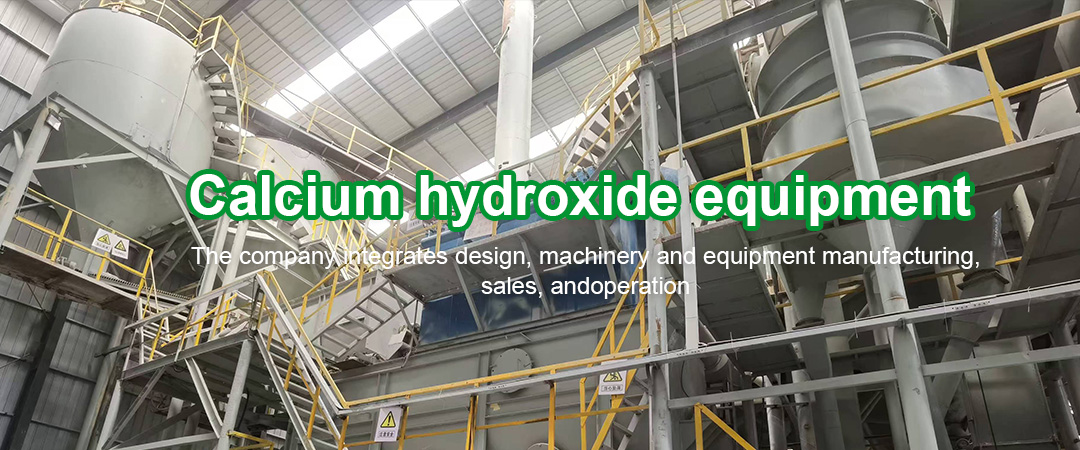
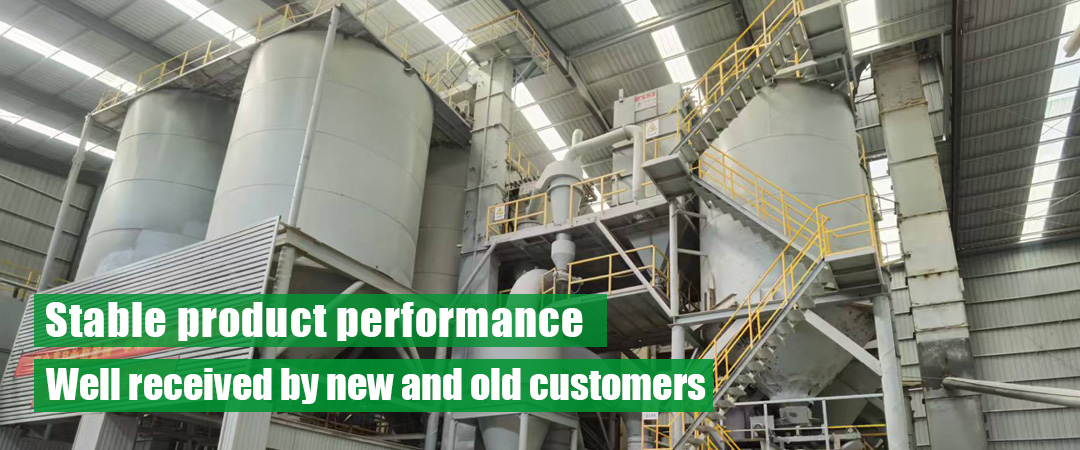
1900 Raymond mill is a commonly used medium-sized suspended roller grinding equipment in the industrial grinding field.Its parameter design directly determines the grinding efficiency,finished product quality and applicable scenarios.The core parameters focus on four dimensions:feeding,grinding,power and finished products.The following is a concise and comprehensive analysis to help with accurate selection and efficient operation.
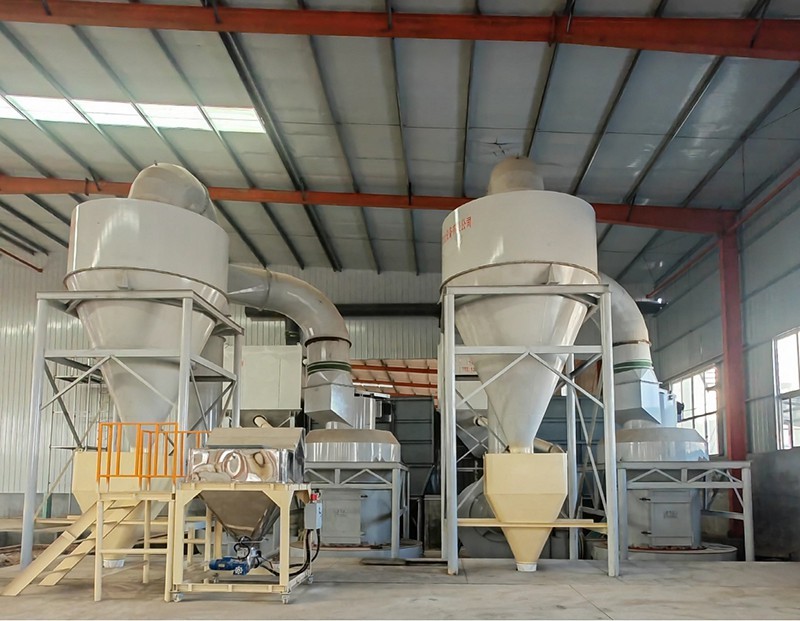
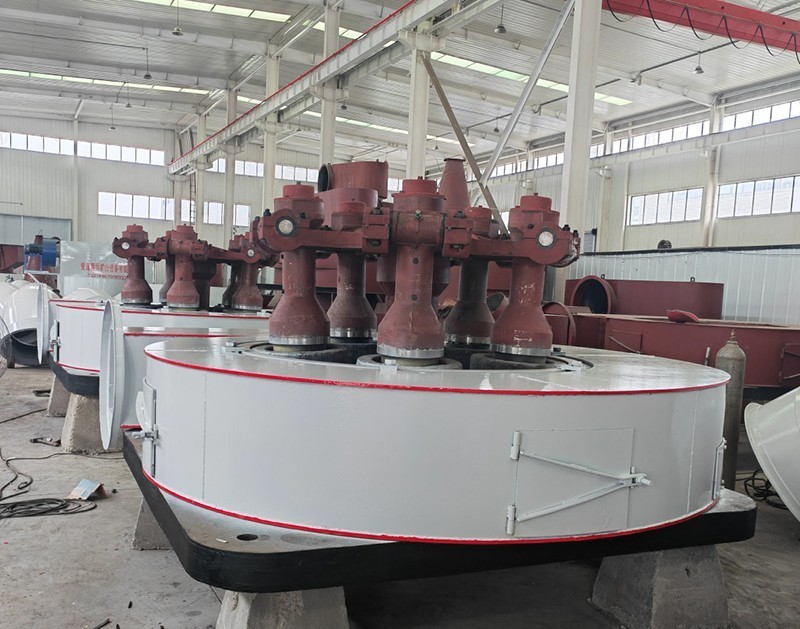
The core feeding and grinding parameters are the foundation of equipment operation.The maximum feeding particle size of the 1900 Raymond mill is usually≤30mm,which is suitable for the pretreatment needs of most non-metallic minerals.Before feeding,the material must be crushed to the specified particle size by a jaw crusher to ensure smooth grinding without jamming.Among the core grinding components,the inner diameter of the grinding ring is about 1900mm,the diameter of the grinding roller is mostly 450mm,the height is 250mm,and it is equipped with 4-5 grinding rollers.It realizes material rolling and grinding by virtue of centrifugal force.The grinding efficiency is significantly higher than that of small Raymond mills.It is suitable for non-flammable and explosive materials with Mohs hardness≤9.3 and humidity<6%,such as the processing of more than 280 minerals including calcite,limestone and kaolin.
Power and operation parameters determine the equipment's production capacity and stability.The main engine motor power of this model is usually 110-132kW,the fan motor power is 75-90kW,and the analyzer motor power is 11kW.The power configuration balances high efficiency and energy saving,and the energy consumption is better than that of traditional grinding equipment.The main engine speed is about 75-85r/min,and the revolution and rotation of the grinding roller work together to ensure full grinding of materials;during normal operation,the processing capacity can reach 15-30t/h(adjusted according to material hardness and fineness),meeting the needs of medium-sized large-scale production,and suitable for grinding processing scenarios in building materials,chemical industry,mining and other industries.
The finished product parameters can flexibly adapt to different needs.The fineness of the finished product can be arbitrarily adjusted within the range of 80-400 meshes,and some models can reach 600 meshes after modification.The sieving rate is as high as 99%,and the particle size of the finished product is uniform,which can meet the use requirements of different downstream products.In addition,the overall floor area of the equipment is moderate,adopting a vertical three-dimensional structure with strong completeness,which can form an independent production system.The electrical system adopts centralized control,which is convenient for operation and maintenance,and is equipped with a sealed dust removal device,which meets the requirements of environmental protection production.
In summary,the parameter design of the 1900 Raymond mill is suitable for medium-sized grinding scenarios,balancing production capacity and flexibility.Mastering its core parameters can accurately match production needs according to material characteristics and finished product requirements,give full play to the grinding efficiency of the equipment,and reduce operation costs.