


Preparation of Calcium Hydroxide
Calcium hydroxide,commonly known as hydrated lime or hydrated lime,is an important inorganic compound widely used in fields such as construction,water treatment,chemical engineering,environmental protection,and food industry.Its snow-white powder or paste like form is not directly extracted from nature,but is transformed from natural limestone through a rigorous industrial process.This article will take you to a deeper understanding of the two core methods for producing calcium hydroxide:traditional hydration method and modern mechanization method,and reveal the chemical principles behind them.
1、Core principle:A journey of"fire and ice"for calcium
This step is to decompose limestone(mainly composed of calcium carbonate)at high temperature to obtain porous and blocky calcium oxide,namely quicklime,while releasing carbon dioxide.
Digestion/hydration:CaO(quicklime)+H₂O(water)→Ca(OH)₂(calcium hydroxide)+heat
This step involves mixing quicklime with water to undergo a violent exothermic reaction,ultimately producing calcium hydroxide.
Therefore,the key to producing calcium hydroxide lies in the second step-the digestion process of quicklime.According to different digestion processes and equipment,there are mainly two methods.
2、Main production methods
Method 1:Traditional intermittent digestion method(maturation pool method)
This is a method with a long history and simple equipment,suitable for small-scale production or construction site preparation of lime paste.
technological process:
Preparation of quicklime:Crush the calcined block shaped quicklime into appropriate small pieces(usually 1-5 centimeters).
Feeding and water injection:In a corrosion-resistant digestion tank(also known as a lime converter),add an appropriate amount of water first,and then slowly add crushed quicklime.Remember:It must be done with"water and ash"or simultaneously,and"ash and water"are strictly prohibited,as the latter may cause instant boiling and splashing,which is extremely dangerous.
Mixing and Reaction:Lime reacts violently with water immediately,releasing a large amount of heat and generating steam,expanding its volume by 2-3.5 times.At this point,mechanical stirring is needed to help dissipate heat and make the reaction uniform.
Aging and refining:
The slurry obtained after the reaction is a mixture of calcium hydroxide,excess water,and incompletely reacted impurities,called lime milk.
Let the lime milk stand and age for several hours to several days,allowing the coarse particles to further mature and make their physical properties more uniform and delicate.
Refine through a sieve or cyclone to remove the core and other impurities of burnt lime and undercooked lime,and obtain pure lime milk.
Subsequent processing:
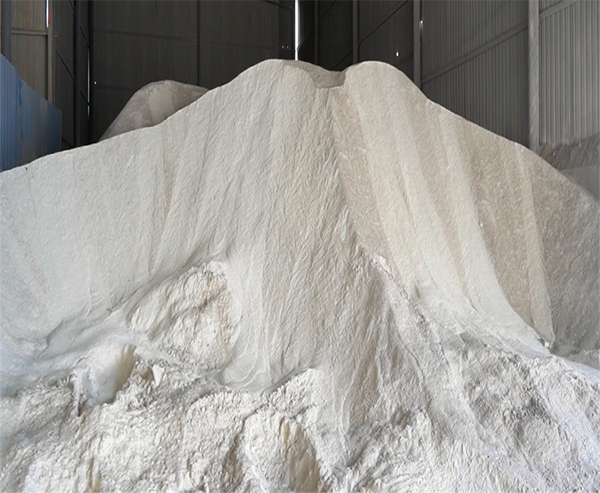
Calcium hydroxide powder:The refined lime milk is sent to a drying equipment(such as a rotary dryer,flash dryer)for dehydration and crushing to obtain powdered calcium hydroxide.
Lime paste:Allow lime milk to settle naturally in the sedimentation tank,discharge the upper clear water,and obtain a paste like calcium hydroxide with a moisture content of about 50%,which can be directly used for building plastering.
Lime slurry:Directly use hydrated lime milk.
Method 2:Modern mechanized continuous digestion method
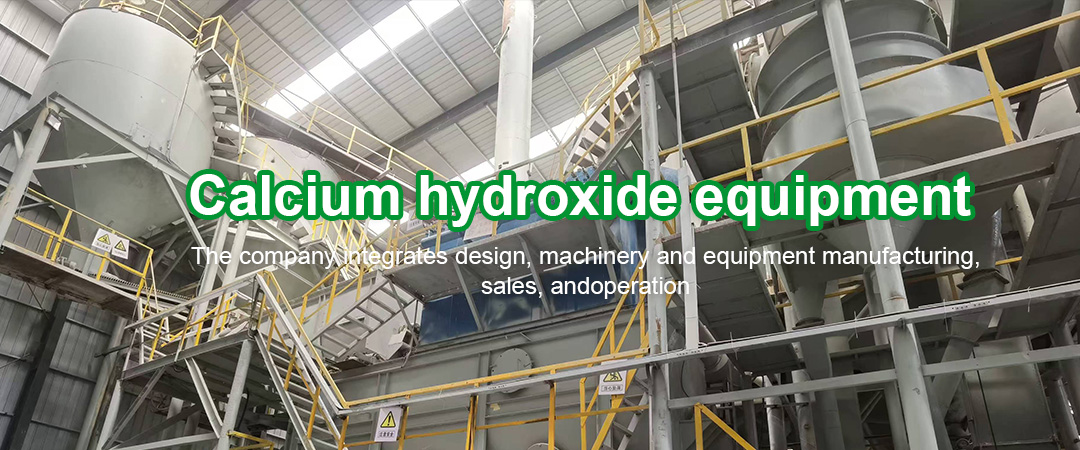
Raw material pretreatment:The block shaped quicklime is first crushed into very fine quicklime powder(usually less than 2 millimeters)through equipment such as jaw crushers and Raymond mills.
Continuous quantitative feeding:Through a precise metering feeding system,quicklime powder and quantitative hot water are continuously and proportionally fed into the digester.
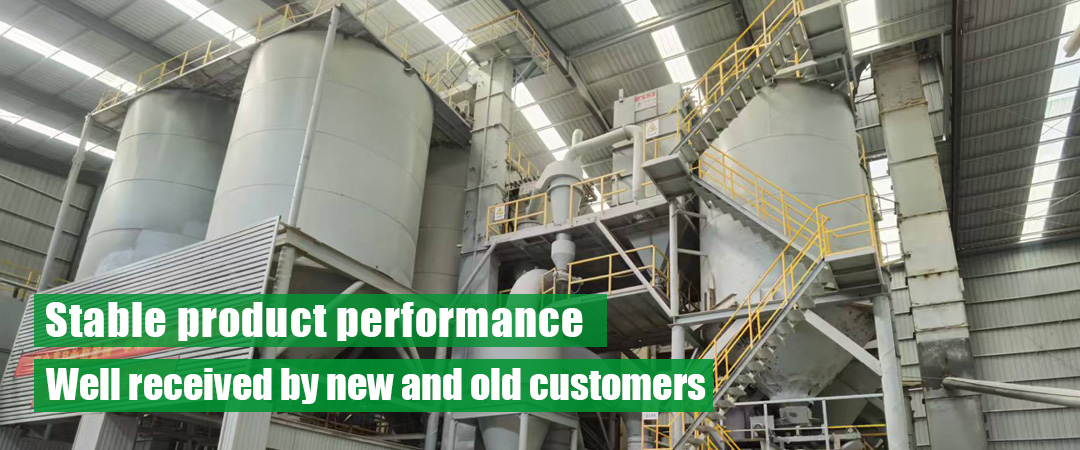
Efficient digestion reaction:The digester is the core equipment,usually a cylinder with multiple stirring blades and insulation jacket.The material slowly moves forward under the push of the stirring blade,completing all hydration reactions during the movement process.Using hot water(60-80°C)can accelerate the reaction and increase the conversion rate.
Grading and impurity removal:The reacted material enters the grading system and is separated from unreacted burnt or undercooked lime particles,as well as impurities such as sand and gravel,through a vibrating screen or powder selector.
Modification,drying,and packaging:
According to customer needs,modifiers can be added in the subsequent process to enhance the hydrophobicity or specific properties of the product.
The obtained wet powder enters an efficient drying system(such as a disc dryer,flash dryer)to remove free moisture.
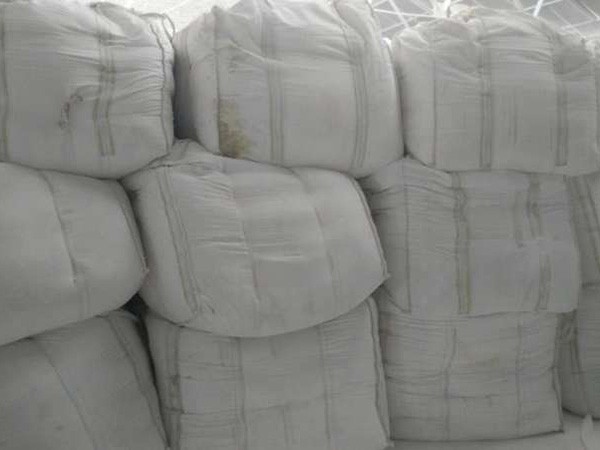
The final product is high-quality calcium hydroxide powder with extremely low water content(usually<1%)and uniform fineness,which is packaged before leaving the factory.
The evolution of the production process of calcium hydroxide from ancient lime kilns to modern continuous digestion production lines is a microcosm of human intelligence and industrial technology development.Whether it is the spectacular scene of"white clouds surging"in a simple pool or the precise control of continuous reactions in a closed device,the essence is to transform hard limestone into calcium hydroxide with wide application value through the tempering of"fire"and the baptism of"water".Understanding its production method not only helps us better utilize this important material,but also gives us a deeper understanding of the basic chemical industry processes.
1、Core principle:A journey of"fire and ice"for calcium
No matter how the methods evolve,the preparation of calcium hydroxide follows a classic and inseparable two-step process,and its core chemical principles can be summarized as follows:
This step is to decompose limestone(mainly composed of calcium carbonate)at high temperature to obtain porous and blocky calcium oxide,namely quicklime,while releasing carbon dioxide.
Digestion/hydration:CaO(quicklime)+H₂O(water)→Ca(OH)₂(calcium hydroxide)+heat
This step involves mixing quicklime with water to undergo a violent exothermic reaction,ultimately producing calcium hydroxide.
Therefore,the key to producing calcium hydroxide lies in the second step-the digestion process of quicklime.According to different digestion processes and equipment,there are mainly two methods.
2、Main production methods
Method 1:Traditional intermittent digestion method(maturation pool method)
This is a method with a long history and simple equipment,suitable for small-scale production or construction site preparation of lime paste.
technological process:
Preparation of quicklime:Crush the calcined block shaped quicklime into appropriate small pieces(usually 1-5 centimeters).
Feeding and water injection:In a corrosion-resistant digestion tank(also known as a lime converter),add an appropriate amount of water first,and then slowly add crushed quicklime.Remember:It must be done with"water and ash"or simultaneously,and"ash and water"are strictly prohibited,as the latter may cause instant boiling and splashing,which is extremely dangerous.
Mixing and Reaction:Lime reacts violently with water immediately,releasing a large amount of heat and generating steam,expanding its volume by 2-3.5 times.At this point,mechanical stirring is needed to help dissipate heat and make the reaction uniform.
Aging and refining:
The slurry obtained after the reaction is a mixture of calcium hydroxide,excess water,and incompletely reacted impurities,called lime milk.
Let the lime milk stand and age for several hours to several days,allowing the coarse particles to further mature and make their physical properties more uniform and delicate.
Refine through a sieve or cyclone to remove the core and other impurities of burnt lime and undercooked lime,and obtain pure lime milk.
Subsequent processing:
Calcium hydroxide powder:The refined lime milk is sent to a drying equipment(such as a rotary dryer,flash dryer)for dehydration and crushing to obtain powdered calcium hydroxide.
Lime paste:Allow lime milk to settle naturally in the sedimentation tank,discharge the upper clear water,and obtain a paste like calcium hydroxide with a moisture content of about 50%,which can be directly used for building plastering.
Lime slurry:Directly use hydrated lime milk.
Method 2:Modern mechanized continuous digestion method
This is currently the mainstream method for large-scale industrial production of calcium hydroxide powder,with high automation and stable product quality.
Raw material pretreatment:The block shaped quicklime is first crushed into very fine quicklime powder(usually less than 2 millimeters)through equipment such as jaw crushers and Raymond mills.
Continuous quantitative feeding:Through a precise metering feeding system,quicklime powder and quantitative hot water are continuously and proportionally fed into the digester.
Efficient digestion reaction:The digester is the core equipment,usually a cylinder with multiple stirring blades and insulation jacket.The material slowly moves forward under the push of the stirring blade,completing all hydration reactions during the movement process.Using hot water(60-80°C)can accelerate the reaction and increase the conversion rate.
Grading and impurity removal:The reacted material enters the grading system and is separated from unreacted burnt or undercooked lime particles,as well as impurities such as sand and gravel,through a vibrating screen or powder selector.
Modification,drying,and packaging:
According to customer needs,modifiers can be added in the subsequent process to enhance the hydrophobicity or specific properties of the product.
The obtained wet powder enters an efficient drying system(such as a disc dryer,flash dryer)to remove free moisture.
The final product is high-quality calcium hydroxide powder with extremely low water content(usually<1%)and uniform fineness,which is packaged before leaving the factory.
The evolution of the production process of calcium hydroxide from ancient lime kilns to modern continuous digestion production lines is a microcosm of human intelligence and industrial technology development.Whether it is the spectacular scene of"white clouds surging"in a simple pool or the precise control of continuous reactions in a closed device,the essence is to transform hard limestone into calcium hydroxide with wide application value through the tempering of"fire"and the baptism of"water".Understanding its production method not only helps us better utilize this important material,but also gives us a deeper understanding of the basic chemical industry processes.


