



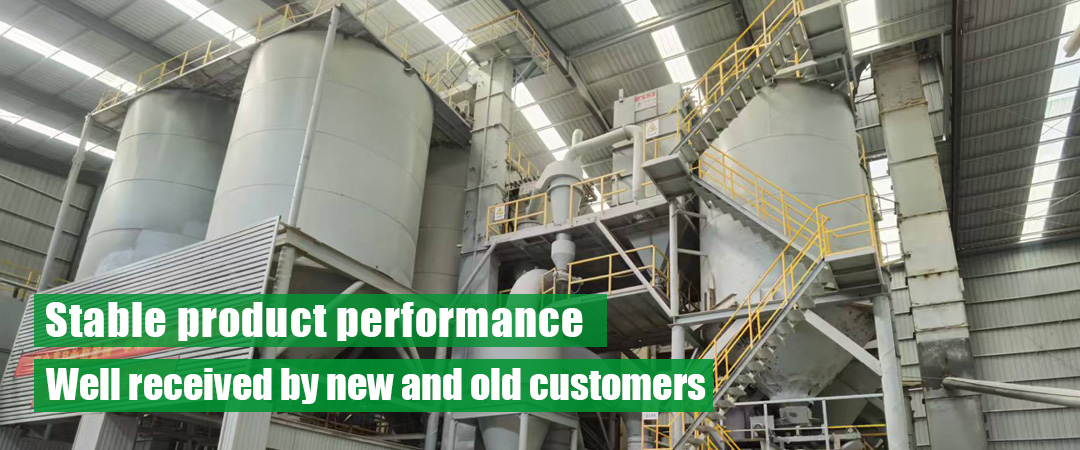
How to purchase buy calcium hydroxide
Calcium hydroxide, as an important inorganic chemical raw material, is widely used in fields such as flue gas desulfurization, sewage treatment, building materials, and agricultural improvement. However, the quality of products in the market varies greatly, and the service capabilities of suppliers differ significantly. How to scientifically select calcium hydroxide has become a key issue in enterprise procurement decisions.
Clarify procurement requirements
1. Core purpose and performance requirements
Flue gas desulfurization: Attention should be paid to the purity, activity, and particle size of calcium hydroxide.
Wastewater treatment: It is necessary to test whether the heavy metal content meets environmental standards to avoid secondary pollution.
In the field of construction, the purity requirements are relatively low, but the acid insoluble content needs to be controlled to prevent affecting the material strength.
Agricultural improvement: It is necessary to ensure that products are free of harmful impurities and avoid damage to soil and crops.
2. Procurement scale and cycle
Determine the single purchase quantity based on the production plan, balance inventory costs and supply stability.
Evaluate the supplier's production capacity and delivery cycle to avoid production delays caused by stockouts.
3. Budget and Cost Structure
The price of calcium hydroxide is affected by factors such as purity, particle size, and packaging form, and it is necessary to comprehensively compare the cost-effectiveness of different specifications of products.
1. National standards and industry norms
Referring to standards such as "Industrial Calcium Hydroxide" (HG/T 4120-2009), pay attention to the following indicators:
Purity: Industrial grade ≥ 90%, high-purity products can reach over 95%.
Acid insoluble substance: reflects impurity content, standard requirement<1.0%.
Heavy metal content: such as lead (Pb) ≤ 5mg/kg, mercury (Hg) ≤ 1mg/kg.
Chloride and sulfate salts: must comply with specific industry limits.
2. Key performance testing
Solubility test: Dissolve the sample in water and observe the sediment content (reflecting the acid insoluble substance index).
Reaction efficiency testing: Simulate practical application scenarios (such as reacting with SO ₂ gas) to determine desulfurization efficiency or pH adjustment ability.
Particle size analysis: The particle size distribution is detected by sieving or laser particle size analyzer to ensure compliance with process requirements.
3. Third party testing and certification
Require suppliers to provide factory inspection reports and commission CNAS accredited laboratories to conduct random inspections and retests.
Prioritize suppliers who have obtained ISO 9001 quality management system certification to reduce quality risks.
Supplier Screening
1. Production capacity and technological level
Raw material control: Excellent calcium hydroxide needs to be calcined with high-purity quicklime to avoid impurities exceeding the standard caused by the use of low-grade limestone.
Production process: Advanced enterprises adopt dry or wet processes, combined with fine grinding equipment, to produce products with uniform particle size and high activity.
Technical support: Can the supplier provide application guidance (such as desulfurization process optimization, dosage calculation)
Logistics support: Whether there is a self owned transportation fleet or a cooperative logistics network to ensure timely delivery
After sales handling: Can we quickly respond and provide return and exchange services when quality problems occur
3. Industry reputation and customer cases
Understand the market reputation of suppliers through industry associations and online evaluations.
1. Operational safety regulations
Calcium hydroxide dust is irritating to the skin, eyes, and respiratory tract. When operating, it is necessary to wear protective masks, gloves, and goggles.
During transportation and storage, it is necessary to prevent moisture and fire, and avoid mixing with acidic substances that may cause exothermic reactions.
2. Environmental compliance requirements
Ensure that the product complies with environmental regulations such as the "Identification Standards for Hazardous Waste", and avoid being ordered to suspend production for rectification due to excessive heavy metals.
Prioritize selecting suppliers that have passed green supply chain certification to reduce environmental risks.
3. Emergency plan formulation
The procurement of calcium hydroxide is not only a simple commodity transaction, but also a comprehensive decision involving quality, safety, environmental protection, and cost. By clarifying requirements, conducting strict quality inspections, selecting suppliers, standardizing procurement processes, and preventing risks, enterprises can establish a scientific and effective procurement system, providing solid support for production and operation. In today's increasingly competitive market, scientific procurement of calcium hydroxide has become an important link for enterprises to enhance their core competitiveness.
Clarify procurement requirements
1. Core purpose and performance requirements
Flue gas desulfurization: Attention should be paid to the purity, activity, and particle size of calcium hydroxide.
Wastewater treatment: It is necessary to test whether the heavy metal content meets environmental standards to avoid secondary pollution.
In the field of construction, the purity requirements are relatively low, but the acid insoluble content needs to be controlled to prevent affecting the material strength.
Agricultural improvement: It is necessary to ensure that products are free of harmful impurities and avoid damage to soil and crops.
2. Procurement scale and cycle
Determine the single purchase quantity based on the production plan, balance inventory costs and supply stability.
Evaluate the supplier's production capacity and delivery cycle to avoid production delays caused by stockouts.
3. Budget and Cost Structure
The price of calcium hydroxide is affected by factors such as purity, particle size, and packaging form, and it is necessary to comprehensively compare the cost-effectiveness of different specifications of products.
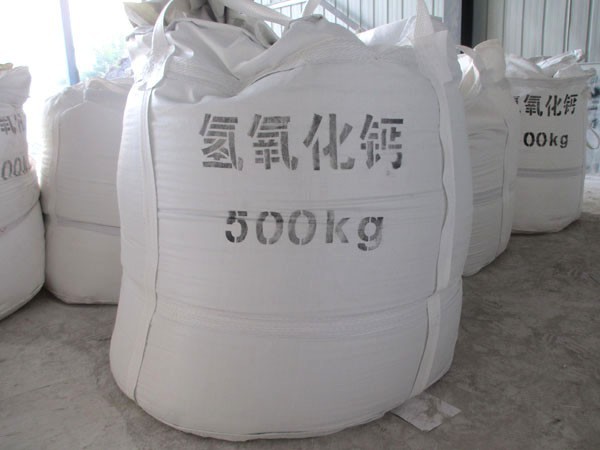
Be wary of the low price trap: Some suppliers may reduce costs by doping heavy calcium powder (calcium carbonate), resulting in insufficient effective ingredients.
1. National standards and industry norms
Referring to standards such as "Industrial Calcium Hydroxide" (HG/T 4120-2009), pay attention to the following indicators:
Purity: Industrial grade ≥ 90%, high-purity products can reach over 95%.
Acid insoluble substance: reflects impurity content, standard requirement<1.0%.
Heavy metal content: such as lead (Pb) ≤ 5mg/kg, mercury (Hg) ≤ 1mg/kg.
Chloride and sulfate salts: must comply with specific industry limits.
2. Key performance testing
Solubility test: Dissolve the sample in water and observe the sediment content (reflecting the acid insoluble substance index).
Reaction efficiency testing: Simulate practical application scenarios (such as reacting with SO ₂ gas) to determine desulfurization efficiency or pH adjustment ability.
Particle size analysis: The particle size distribution is detected by sieving or laser particle size analyzer to ensure compliance with process requirements.
3. Third party testing and certification
Require suppliers to provide factory inspection reports and commission CNAS accredited laboratories to conduct random inspections and retests.
Prioritize suppliers who have obtained ISO 9001 quality management system certification to reduce quality risks.
Supplier Screening
1. Production capacity and technological level
Raw material control: Excellent calcium hydroxide needs to be calcined with high-purity quicklime to avoid impurities exceeding the standard caused by the use of low-grade limestone.
Production process: Advanced enterprises adopt dry or wet processes, combined with fine grinding equipment, to produce products with uniform particle size and high activity.
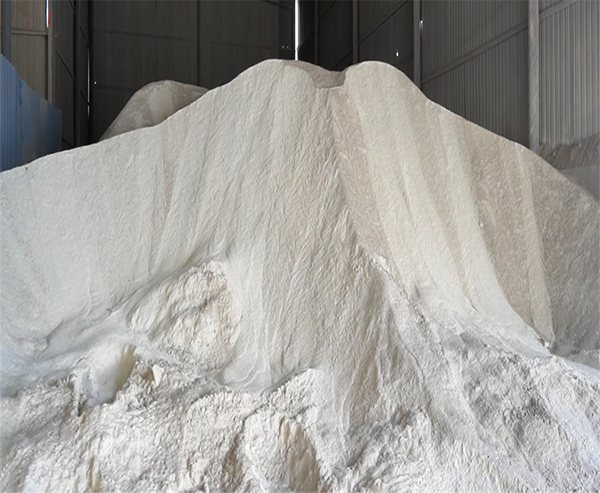
Equipment investment: Investigate the model and maintenance status of core equipment such as calcination furnaces and Raymond mills to determine production stability.
Technical support: Can the supplier provide application guidance (such as desulfurization process optimization, dosage calculation)
Logistics support: Whether there is a self owned transportation fleet or a cooperative logistics network to ensure timely delivery
After sales handling: Can we quickly respond and provide return and exchange services when quality problems occur
3. Industry reputation and customer cases
Understand the market reputation of suppliers through industry associations and online evaluations.
Priority should be given to suppliers with long-term cooperation experience with well-known enterprises.
1. Operational safety regulations
Calcium hydroxide dust is irritating to the skin, eyes, and respiratory tract. When operating, it is necessary to wear protective masks, gloves, and goggles.
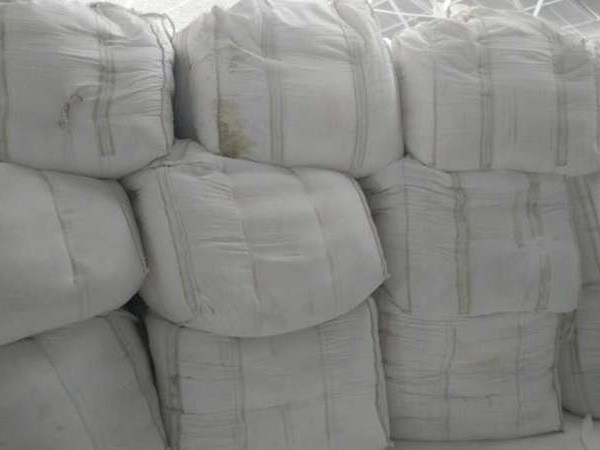
During transportation and storage, it is necessary to prevent moisture and fire, and avoid mixing with acidic substances that may cause exothermic reactions.
2. Environmental compliance requirements
Ensure that the product complies with environmental regulations such as the "Identification Standards for Hazardous Waste", and avoid being ordered to suspend production for rectification due to excessive heavy metals.
Prioritize selecting suppliers that have passed green supply chain certification to reduce environmental risks.
3. Emergency plan formulation
Develop emergency plans and conduct regular drills to address risks such as quality accidents (such as substandard purity) and supply interruptions.
Establish cooperative relationships with multiple suppliers to avoid reliance on a single source.The procurement of calcium hydroxide is not only a simple commodity transaction, but also a comprehensive decision involving quality, safety, environmental protection, and cost. By clarifying requirements, conducting strict quality inspections, selecting suppliers, standardizing procurement processes, and preventing risks, enterprises can establish a scientific and effective procurement system, providing solid support for production and operation. In today's increasingly competitive market, scientific procurement of calcium hydroxide has become an important link for enterprises to enhance their core competitiveness.


