


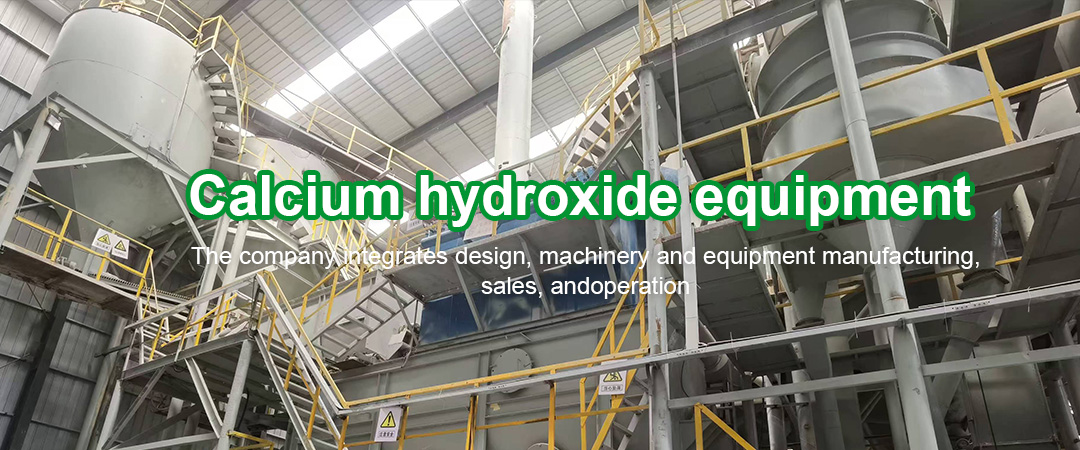
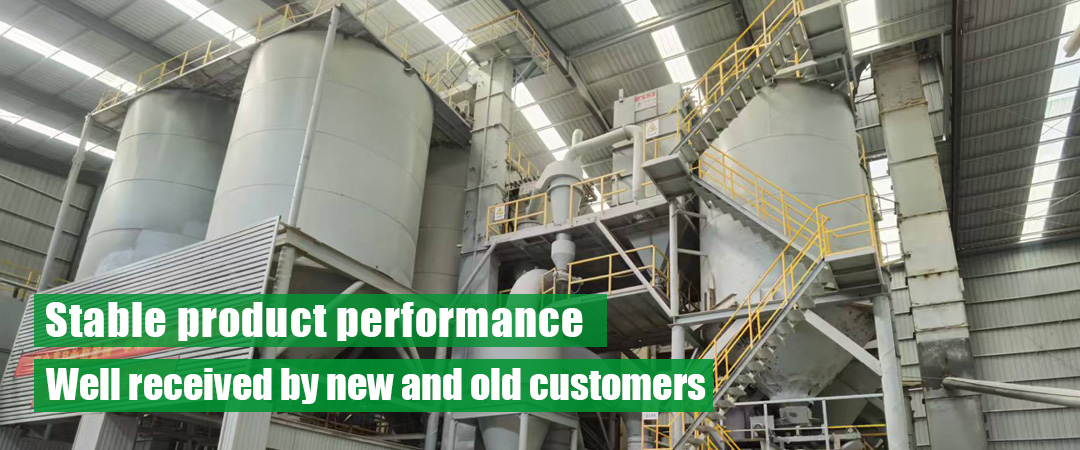
What is Slaked Lime Processing Equipment
As a core raw material in the fields of construction, environmental protection, and chemical engineering, the technical level of its processing equipment directly affects product quality, production efficiency, and environmental performance. This article will deeply analyze the core components and industry development trends of Slaked Lime Processing Equipment from three dimensions: equipment type, process flow, and technological innovation.
The core components of Slaked Lime Processing Equipment
Impurities such as stones and soil are often mixed in the raw materials of quicklime, which need to be pretreated by a jaw crusher. The device crushes large raw materials to a particle size of 10-50mm through the reciprocating motion of the moving and stationary jaws, while using a sieve to filter impurities to ensure the purity of subsequent digestion reactions. For example, the PE600 × 900 jaw crusher produced by a mining machinery enterprise has a processing capacity of 50-160 tons/hour and an impurity filtration rate of over 98%, laying the foundation for subsequent processes.
2. Digestion module: dry/wet digester - the "core engine" of reaction efficiency
The digestion process is a key step in the conversion of quicklime to hydrated lime, which requires controlling the water cement ratio, reaction temperature, and time through a digester.
3. Grinding module: Raymond mill - the "craftsman" of fineness control
The digested hydrated lime needs to be further ground to a fineness of 200-400 mesh to meet the requirements of applications such as building coatings and environmental desulfurization. Raymond mill achieves high productivity and low energy consumption grinding effect through the rolling action of grinding rollers and grinding rings.
4. Filtering module: Powder selection machine - "intelligent judgment" for quality grading
The ground Slaked Lime Processing Equipment needs to be graded by a powder selector to ensure product uniformity. By using turbine grading technology, products of different fineness can be separated to meet the differentiated needs of industries such as chemical and food.
Process flow
The processing technology of hydrated lime is divided into two main routes: dry and wet, with significant differences in equipment configuration and energy consumption levels.
1. Dry process technology
The dry process uses quicklime as raw material, and after crushing, dry digestion, grinding, and screening, the finished product is obtained. Its core advantages lie in:
Water conservation and energy saving: Lime processing equipment does not require a large amount of water resources, and the heat from the digester can be recovered for preheating raw materials, reducing comprehensive energy consumption by 20% -30%.
Excellent environmental performance: Closed production of Slaked Lime Processing Equipment reduces dust emissions and meets the requirements of the "dual carbon" target.
High product activity: The hydrated lime generated by dry digestion has a low free water content and an activity level of over 300ml, making it suitable for fields such as building materials and environmental desulfurization.
2. Wet process technology
The wet process requires mixing quicklime with water in proportion, and obtaining the finished product after digestion, precipitation, and drying. Its drawbacks include:
High energy consumption: The drying process requires a large amount of heat energy, and the overall energy consumption is 40% -50% higher than the dry process.
Environmental pressure is high: the cost of wastewater treatment is high, and dust emissions are difficult to control.
Low product activity: The hydrated lime generated by wet digestion is prone to clumping, and its activity level is usually less than 200ml, which is only suitable for the low-end market.
The technological progress of lime processing equipment is not only related to product quality and production efficiency, but also directly affects the industry's environmental protection level and sustainable development capability. With the popularization of dry process technology, the penetration of intelligent control, and the deepening of green upgrading, the hydrated lime industry is shifting from "scale expansion" to "quality improvement", providing more effective and environmentally friendly raw material support for fields such as construction, environmental protection, and chemical engineering.
The core components of Slaked Lime Processing Equipment
The production of hydrated lime requires four core processes: crushing, digestion, grinding, and screening, and the corresponding equipment needs to meet the composite requirements of effectiveness and environmental protection.
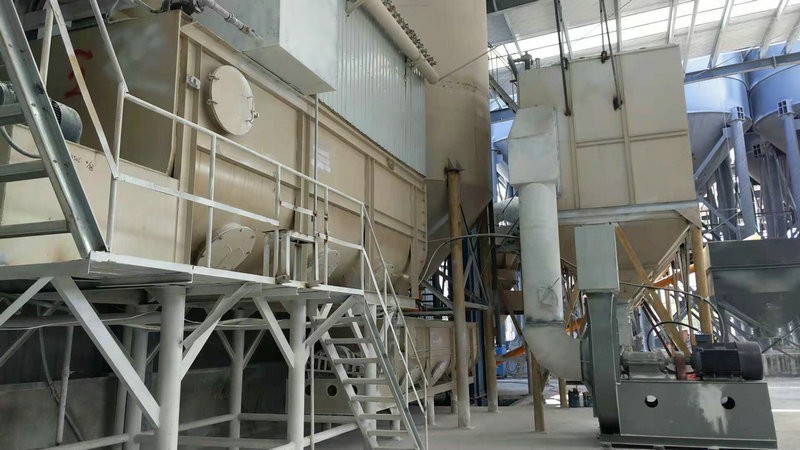
Impurities such as stones and soil are often mixed in the raw materials of quicklime, which need to be pretreated by a jaw crusher. The device crushes large raw materials to a particle size of 10-50mm through the reciprocating motion of the moving and stationary jaws, while using a sieve to filter impurities to ensure the purity of subsequent digestion reactions. For example, the PE600 × 900 jaw crusher produced by a mining machinery enterprise has a processing capacity of 50-160 tons/hour and an impurity filtration rate of over 98%, laying the foundation for subsequent processes.
2. Digestion module: dry/wet digester - the "core engine" of reaction efficiency
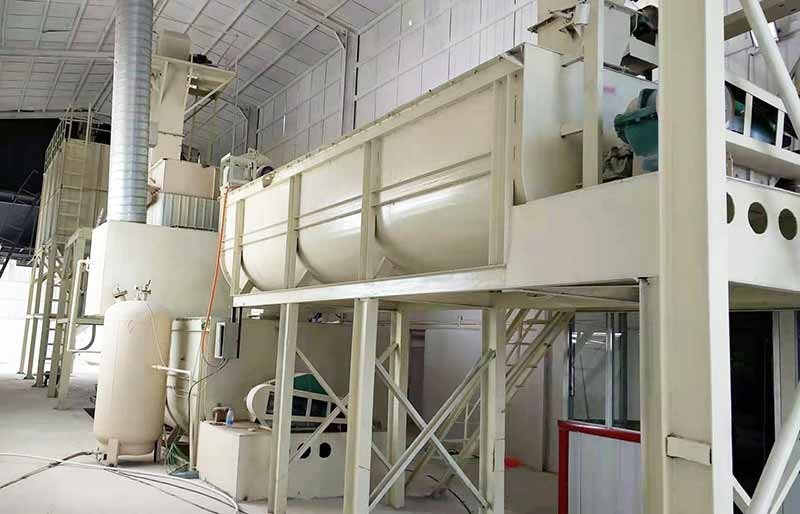
The digestion process is a key step in the conversion of quicklime to hydrated lime, which requires controlling the water cement ratio, reaction temperature, and time through a digester.
Dry digester: adopts a three-stage structure (mixing zone, reaction zone, aging zone), and avoids clumping caused by excessive moisture through a closed design.
3. Grinding module: Raymond mill - the "craftsman" of fineness control
The digested hydrated lime needs to be further ground to a fineness of 200-400 mesh to meet the requirements of applications such as building coatings and environmental desulfurization. Raymond mill achieves high productivity and low energy consumption grinding effect through the rolling action of grinding rollers and grinding rings.
4. Filtering module: Powder selection machine - "intelligent judgment" for quality grading
The ground Slaked Lime Processing Equipment needs to be graded by a powder selector to ensure product uniformity. By using turbine grading technology, products of different fineness can be separated to meet the differentiated needs of industries such as chemical and food.
Process flow
The processing technology of hydrated lime is divided into two main routes: dry and wet, with significant differences in equipment configuration and energy consumption levels.
1. Dry process technology
The dry process uses quicklime as raw material, and after crushing, dry digestion, grinding, and screening, the finished product is obtained. Its core advantages lie in:
Water conservation and energy saving: Lime processing equipment does not require a large amount of water resources, and the heat from the digester can be recovered for preheating raw materials, reducing comprehensive energy consumption by 20% -30%.
Excellent environmental performance: Closed production of Slaked Lime Processing Equipment reduces dust emissions and meets the requirements of the "dual carbon" target.
High product activity: The hydrated lime generated by dry digestion has a low free water content and an activity level of over 300ml, making it suitable for fields such as building materials and environmental desulfurization.
2. Wet process technology
The wet process requires mixing quicklime with water in proportion, and obtaining the finished product after digestion, precipitation, and drying. Its drawbacks include:
High energy consumption: The drying process requires a large amount of heat energy, and the overall energy consumption is 40% -50% higher than the dry process.
Environmental pressure is high: the cost of wastewater treatment is high, and dust emissions are difficult to control.
Low product activity: The hydrated lime generated by wet digestion is prone to clumping, and its activity level is usually less than 200ml, which is only suitable for the low-end market.
The technological progress of lime processing equipment is not only related to product quality and production efficiency, but also directly affects the industry's environmental protection level and sustainable development capability. With the popularization of dry process technology, the penetration of intelligent control, and the deepening of green upgrading, the hydrated lime industry is shifting from "scale expansion" to "quality improvement", providing more effective and environmentally friendly raw material support for fields such as construction, environmental protection, and chemical engineering.


